Your team is working harder than ever. Deadlines pile up, screens demand endless attention and stress becomes background noise rather than the exception. You’ve likely spotted the warning signs. Energy drops after lunch. People call in sick more often. That vibrant team culture you’ve built starts showing cracks.
Employee wellness initiatives have shifted from nice perks to business necessities. Among all the options available, corporate massage delivers something rare: immediate, tangible results that people actually feel. Unlike programs requiring ongoing commitment or lifestyle changes, massage provides instant stress relief during the workday. At Working Hands, we’ve seen countless organisations reshape their workplace dynamics through strategic massage programs. The outcomes are consistent. Sharper focus, healthier teams, stronger morale and measurably better performance. Let’s examine how workplace massage creates these changes and why it’s become central to successful wellness strategies.
Why Corporate Massage Works When Other Wellness Programs Struggle
Most wellness initiatives share a common weakness. They demand sustained employee participation. Gym memberships gather dust. Nutrition programs start strong then fade. Meditation apps sit unopened on phones. Not because people don’t value their health, but because fitting another task into overflowing schedules feels impossible.
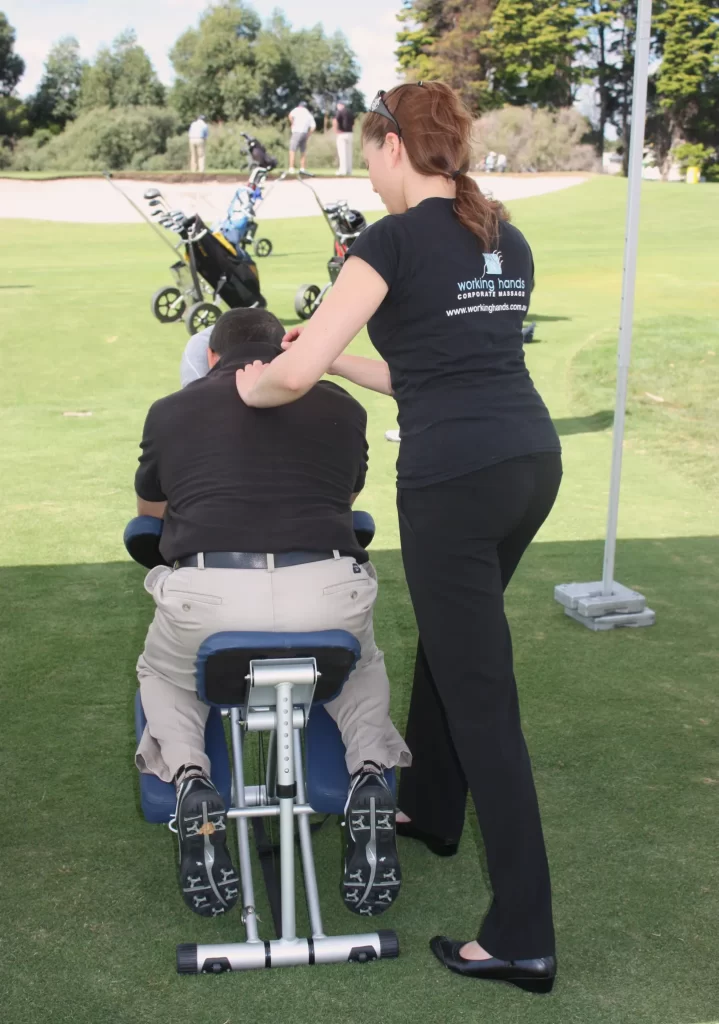
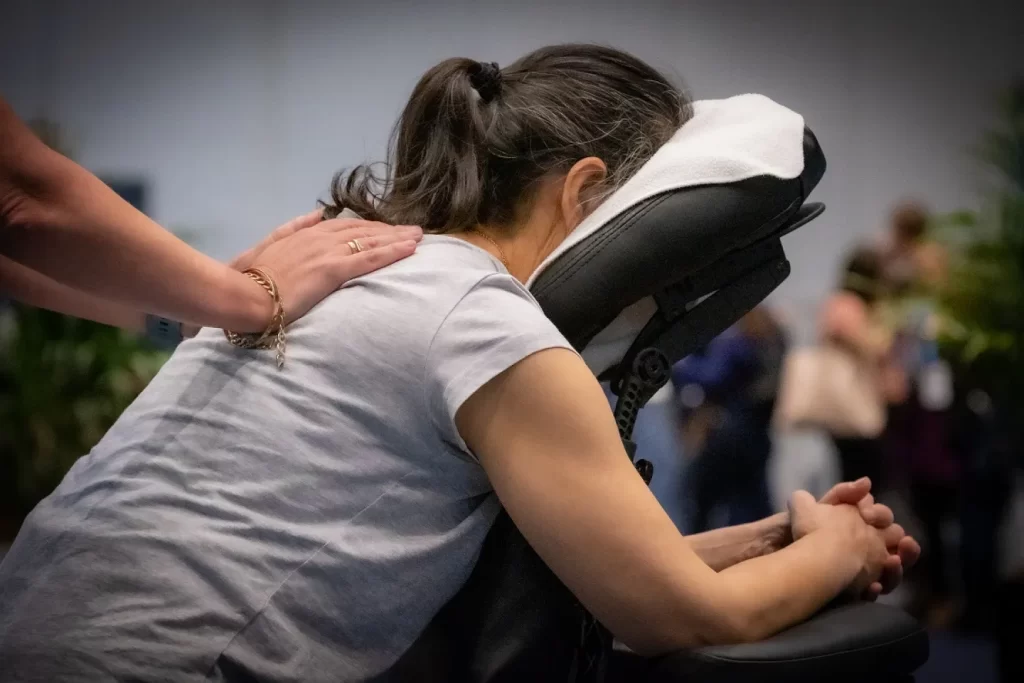
Workplace massage eliminates these obstacles completely. Therapists come to your office, sessions slot into existing schedules and employees need zero preparation. No workout gear. No downloads. No habit formation required. Just 15 minutes of professional care that releases muscle tension and restores mental clarity.
The instant relief creates powerful momentum. People notice the difference immediately. Shoulder pain dissolves. Building headaches disappear. Brain fog lifts. When staff experience real relief, they appreciate the program. When they appreciate it, they book sessions. When they book sessions, results follow.
Science supports these observations. Research repeatedly demonstrates that brief massage sessions substantially lower cortisol while elevating serotonin and dopamine. Translated to everyday terms: reduced stress, elevated mood and sharper thinking. Your staff aren’t merely relaxed after treatment. They’re genuinely equipped to concentrate, innovate and work together more effectively.
The workplace atmosphere transforms accordingly. High-pressure environments generate errors, tension and withdrawal. Regular stress reduction through massage opens room for the healthy culture you’re building. Communication flows more easily. Teamwork strengthens. The office shifts from strained to productive.
The Real Impact on Team Performance and Productivity
Let’s examine what actually unfolds when you establish a regular workplace massage program. The shifts are substantial.
Focus sharpens noticeably. Office work generates physical discomfort that constantly pulls attention. Stiff necks. Tight shoulders. Back pain from prolonged sitting. When staff are physically uncomfortable, part of their mental capacity dwells on that discomfort. They’re never fully engaged. Massage eliminates that tension, releasing mental energy for genuine work.
The post lunch energy crash becomes less pronounced. Most workplaces face that 2 to 4 pm window where momentum dies and concentration wavers. On days featuring massage, this pattern changes. Staff who’ve received treatment sustain stronger energy levels into the afternoon. They’re not grinding through exhaustion. They’re genuinely alert and capable.
Time off for illness reduces. The stress-illness connection is thoroughly documented. Persistent stress undermines immune response, increasing vulnerability to everything from minor colds to serious conditions. Regular massage lowers that chronic stress burden. Staff maintain better health. They call in sick less frequently. Your team preserves better continuity and output.
Creative thinking expands. When people carry stress and physical discomfort, their thinking narrows and becomes reactive. Stress actually alters brain chemistry, limiting creativity and strategic thought. Massage generates the opposite outcome. By lowering stress and boosting circulation throughout the body and brain, it nurtures the clear, inventive thinking that powers innovation and smart decisions.
Workplace relationships deepen. Shared beneficial experiences build bonds. When your whole team engages with a wellness program like massage, it establishes connections across different departments and levels. People discuss their experiences. They connect over the shared activity. These moments strengthen professional relationships and enhance cooperation.
If you’re interested in creating a thorough approach to staff wellbeing, our corporate wellness programs integrate massage with additional services to target various dimensions of health and performance.
Implementing Office Massage That Actually Gets Used
The strongest wellness program means nothing if staff don’t engage with it. Workplace massage succeeds because it’s built for maximum participation with minimal obstacles.
Logistics are simple. Working Hands delivers everything required straight to your office. Ergonomic massage chairs, qualified practitioners, complete supplies. You supply a quiet location. A meeting room, office corner, or dedicated wellness space all work. We manage everything else.
Booking systems determine participation rates. The optimal method involves online scheduling where staff select their preferred times. This autonomy helps people integrate treatment into their workday naturally. Automated reminders prevent forgotten appointments. The platform monitors engagement, providing clear visibility into program uptake.
Duration influences outcomes. Most organisations discover 15 to 20 minutes achieves the ideal balance. Long enough for genuine therapeutic value without staff feeling they’re absent too long. For organisations offering enhanced options, 30-minute treatments suit special wellness occasions or executive benefit structures.
Regularity drives lasting change. Single massage experiences feel pleasant but don’t generate sustained transformation. Weekly or fortnightly appointments produce optimal results. This rhythm lets therapists tackle persistent tension patterns while providing staff with consistent workplace stress relief. Benefits compound progressively, building sustained wellbeing and performance gains.
Payment structures differ. Complete employer coverage shows maximum dedication and usually generates strongest engagement. When massage comes free, staff interpret it as concrete proof the organisation values their wellbeing. Partial subsidy models, where organisations cover most costs and staff chip in modestly, function well too. This maintains accessibility while respecting budget realities.
Success hinges on removing friction. Strip away obstacles. Communicate the program clearly. Keep booking effortless. Ensure experiences feel professional and genuinely helpful. Get these fundamentals right and participation follows naturally.
The Financial Case for Massage in Corporate Wellness
Wellness investments must prove their value. Workplace massage generates measurable returns that clarify the business rationale.
Medical expenses decline. Organisations with established massage programs consistently see reduced healthcare spending. The explanation is direct. Massage lowers stress, which decreases stress-linked illness. It resolves musculoskeletal problems before they need medical care. Staff stay healthier, need less treatment and cost the organisation less in medical expenses.
Hiring advantages grow substantial. High-calibre talent examines complete compensation, not merely salary. When prospects compare opportunities, wellness benefits carry weight. Providing workplace massage positions your organisation as one that authentically prioritises staff wellbeing. This draws quality professionals who might otherwise select competitors.
Staff longevity increases markedly. Replacing someone costs between half and double their yearly salary when you include recruitment, training and lost productivity. People stay where they feel appreciated. Regular massage tangibly demonstrates your regard for their wellbeing. That connection translates to commitment and extended tenure.
Lost output from stress and discomfort costs organisations enormous sums yearly. The Australian economy surrenders billions annually to workplace stress and related absences. Even modest reductions in this lost output create significant savings. Massage directly tackles the physical and mental factors diminishing productivity.
The financial outlay remains reasonable compared to these gains. Workplace massage programs typically cost less per person than numerous other wellness options. When you break down the per-person, per-session expense, it often undershoots spending on alternative office benefits that yield less concrete returns.
Tax treatment may further enhance the financial equation. Workplace wellness initiatives can be tax deductible when provided equally to all staff (verify with your accountant for your particular circumstances). This effectively lowers the true program cost while maintaining complete benefits for your team.
Our client testimonials demonstrate the actual outcomes Australian organisations have achieved through regular massage programs.
Building Your Complete Wellness Strategy
Workplace massage performs best within a wider wellness framework. While massage alone produces significant benefits, pairing it with complementary initiatives creates thorough support for staff health and output.
Regular massage forms the foundation. Weekly or fortnightly appointments provide steady stress relief and physical maintenance. This becomes your wellness program’s anchor, the reliable element staff anticipate regularly.
Special occasions add excitement and diversity. Quarterly wellness events featuring longer massage appointments, health assessments, or educational sessions generate enthusiasm around workplace health. These events signal ongoing dedication while letting you address varied health topics throughout the year.
Psychological support complements physical treatment. Massage alleviates stress and lifts mood, but some staff require additional mental health resources. Pairing massage with counselling access, mindfulness initiatives, or stress management education provides more rounded support.
Movement opportunities work beside massage. Some staff want more active wellness engagement. Providing activity-based choices alongside massage ensures you’re serving different interests and requirements within your workforce.
Food guidance completes the picture. Helping staff understand how nutrition influences energy, concentration and health adds another wellness dimension. This needn’t be elaborate. Straightforward information and nutritious options at work functions make real differences.
The crucial point is avoiding overwhelming people with simultaneous initiatives. Begin with regular massage as your foundation. It produces immediate, concrete benefits that generate positive momentum. Once established with strong engagement, thoughtfully layer in additional elements that enhance and support the massage program.
For organisations seeking ready-built integrated solutions, Working Hands provides wellness packages combining massage with complementary services. This eliminates the hassle of managing multiple vendors while ensuring all components function together smoothly.
Getting Started with Office Massage
The journey from considering massage to running a successful program is direct. Working Hands has simplified the process to make program launch as easy as possible.
Begin with a discussion about your objectives. What outcomes do you want? Stronger stress management? Reduced absences? Enhanced culture? Your goals guide program design. We’ll explore your workforce size, office configuration, budget boundaries and preferred timing.
Trial sessions come next. Before establishing a regular program, many organisations prefer testing first. We can organise demonstration appointments so your staff experience the quality directly. This builds excitement and lets you measure interest before making longer commitments.
When you’re set to proceed, we manage setup. The online booking platform gets configured for your workforce. Communication resources help you introduce the program. Practitioners get scheduled. Equipment arrives. You concentrate on your business while we handle wellness program administration.
Programs launch and engagement typically grows rapidly. Staff book initial appointments, feel the benefits and become regular users. Early positive feedback spreads organically. Soon massage day becomes a cherished aspect of your workplace culture.
Continuing management demands minimal effort from your end. The booking platform handles tracking. Practitioners show up as scheduled. Any refinements needed to strengthen the program happen through regular coordination between Working Hands and your HR or wellness lead.
Ready to discover how workplace massage could strengthen your wellness strategy? Contact us to explore your particular circumstances and aims. We’ll help you craft a program matching your workplace, fitting your budget and producing measurable results for your workforce.
Visit workinghands.com.au or request a quote to begin. Your team’s wellbeing directly shapes your business outcomes. Let’s collaborate to build a healthier, more productive workplace.